
Blog
Was Rama Mistaken? The Untold Sri Lankan Side of the Ramayana
For centuries, the Ramayana has been told as a tale of good versus evil—Rama, the noble prince, defeating Ravana, the demon king of Lanka. But in Sri Lanka, the story takes a very different turn. Some believe the truth has been hidden, reshaped, and misunderstood.

The Forgotten Story of Seetha’s Birth
According to Sri Lankan tradition, Ravana’s wife was about to give birth when astrologers gave a chilling warning: if Ravana set eyes on his newborn child, he would lose his power. To protect the king, the royal court made a secret decision. When the baby girl was born, she was placed in a box with royal emblems and set adrift on the sea.

The box floated across the waters and reached the Indian coast, where fishermen discovered the infant. Recognizing the royal emblems, they presented her to the king of Mithila. The child was raised in the palace as Seetha—with no knowledge of her true origin.
Ravana Finds His Daughter
Years later, Ravana—known for his unmatched knowledge of astrology, medicine, and mystic sciences—felt an irresistible pull. Using his powers, he discovered the truth: the girl in India was none other than his own daughter.
Ravana brought Seetha back to Lanka. Despite what Indian epics suggest, Sri Lankan tradition holds that he kept her safe, never harming her, and ensured her protection.
The Misunderstood War
To Rama and his allies, however, the story looked very different. They saw Seetha as the wife of Rama, taken away by force. They could not see the deeper truth—that this was a father trying to protect his own child.
And so, the great war began. Ravana fought, weakened by fate and prophecy, and fell at Rama’s hands. But was he truly the villain—or just a king misunderstood by history?
The Battle Was Real—And It Happened in Sri Lanka
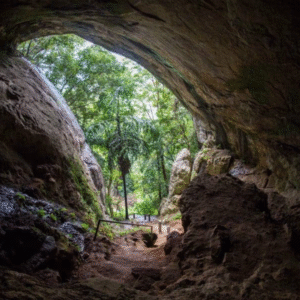
- Ravana’s Cave in Ella
- Ashok Vatika (Hakgala Gardens), where Seetha is said to have stayed
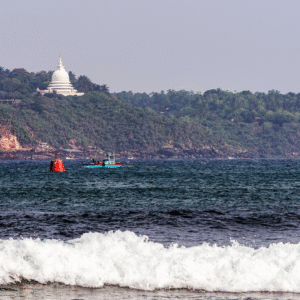
- Rumassala Hill, linked to Hanuman’s legendary flight
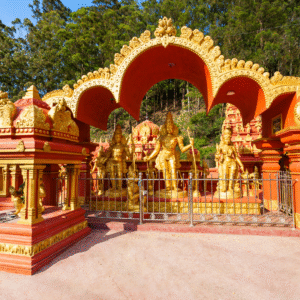
- Seetha Amman Temple in Nuwara Eliya

The Truth Remains Hidden
Was Seetha truly Ravana’s daughter? Was Rama misled by half-truths? The answers remain buried in time, but the land of Sri Lanka holds clues that no book can reveal.
👉 If you want to explore the untold Ramayana story, walk the paths of Ravana, and see the battlefields yourself, visit www.tripgo.lk and discover the secrets hidden in plain sight.